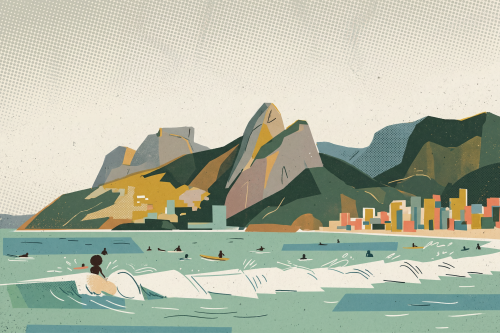
This itinerary explores Brazil’s Atlantic coast from north to south, combining beach escapes, colonial cities and vibrant urban life. Beginning in the relaxed seaside setting of Jericoacoara, it moves through the rich cultural heritage of Salvador, the historic charm of Recife and Olinda, and ends in the unmistakable energy of Rio de Janeiro. With a mix of coastal scenery, local flavour and iconic landmarks, it offers a well rounded introduction to Brazil’s east coast.
Arrive in Fortaleza and Transfer to Jericoacoara

Jericoacoara is a laid-back beach destination known for its sandy streets, There is something quietly thrilling about arriving in Fortaleza and knowing that the real journey still lies ahead. The city gives way to open road, and slowly the pace of Brazil begins to loosen its grip on the clock. The further you travel towards Jericoacoara, the more the modern world seems to fall behind: tarmac softens into sand, the horizon widens, and the air takes on that warm, salt-heavy stillness that belongs only to places shaped by sun, wind and sea.
Jericoacoara, or Jeri, as it is affectionately known, is tucked between dunes and Atlantic surf, a village of sandy lanes where shoes feel unnecessary and time becomes wonderfully imprecise. Here, the rhythm of the day is governed less by schedule than by light: pale gold mornings, dazzling afternoons, and as evening approaches, the great sunset dune becomes the natural gathering point. Afterwards, the night begins gently: grilled fish, cold caipirinhas, lantern-lit tables, and the soft percussion of music drifting through warm air.
It is a place of easy pleasures, but never ordinary ones. Days drift between beach cafés, wind-sculpted coastlines, freshwater lagoons and lazy walks through streets dusted with sand. Nothing feels hurried. Nothing needs to be.
Culture & Cuisine
Salvador
Flying into Salvador feels like stepping into a completely different part of Brazil. If Jericoacoara is wind and water, Salvador is rhythm, colour and culture. The city rises above the Bay of All Saints with a sense of theatre, its steep streets, colonial facades and church towers layered with centuries of history and a cultural identity unlike anywhere else in the country.
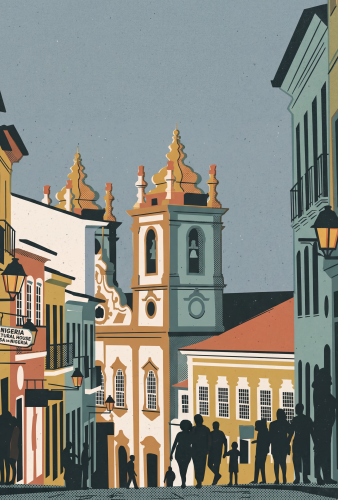
In the historic centre of Pelourinho, the streets are paved with stone and washed in colour: cobalt blues, ochres, faded pinks, sunlit yellows. Balconies lean over cobbled lanes. Church bells cut through the heat. Music spills from courtyards and doorways with the ease of conversation.
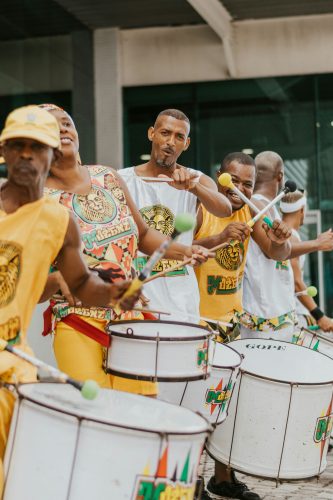
Salvador’s Afro-Brazilian heritage gives the city its unmistakable pulse. It is there in the drumbeats that echo through the old town, in the capoeira circles that gather with athletic grace, in the scent of dendê oil drifting from street stalls, and in the food: rich, bold, generous dishes that seem to hold the entire history of the coast in a single bowl.
This is one of Brazil’s great culinary cities. Moqueca (a typical Brazilian seafood stew) arrives fragrant and golden, dense with coconut. Acarajé (traditional bean fritter) is served crisp and hot from roadside stands, split open and filled with vatapá, prawns and chilli. Meals here are not just about flavour; they are about place, ancestry and atmosphere. Salvador is certainly not a city to rush through.
Day Trip
Praia do Forte
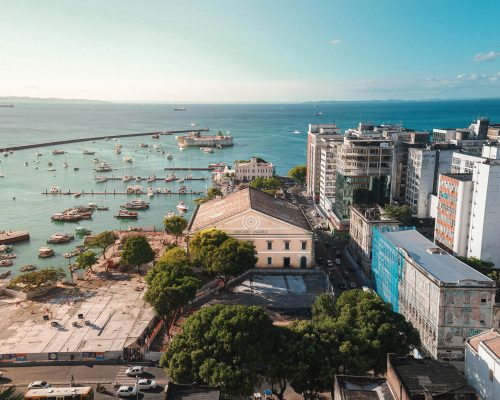
After the intensity and colour of Salvador, Praia do Forte offers a softer coastal exhale. The journey north brings you to a former fishing village that has grown into one of Bahia’s most appealing seaside retreats, balancing polish with an easy, barefoot charm.
The village itself is relaxed and attractive, with palm-lined lanes, small boutiques, inviting restaurants and a gentle holiday rhythm. It is the kind of place where a day can be beautifully simple: a long walk by the water, a swim in warm shallows, a leisurely lunch that stretches into the afternoon, then a browse through local shops before the sun begins to lower.
Yet Praia do Forte is more than just a beach stop. The coastline here feels alive with nature, from reef-fringed waters to the wider conservation work associated with sea turtles along this part of Bahia’s coast. There is an understated richness to the place — comfortable but not showy, scenic but not overworked. It makes a perfect interlude: a pause between cities, a reminder that some of Brazil’s finest moments happen when very little is planned at all.
Energetic & Creative
Recife

Recife brings the journey back into the urban fold, but with a character all of its own. Built around rivers, bridges, islands and the Atlantic, it is a city of movement and reflection — water flashing between streets, old warehouses standing beside modern life, and a cultural confidence that feels deeply rooted in the north-east.
There is grit here, and beauty too. Recife Antigo, the old quarter, rewards slow exploration with its colourful buildings, restored cultural spaces, street art and waterfront views. The city has long been a place of exchange — of trade, ideas, music and politics — and that layered identity is visible in its architecture, museums and public squares.
What makes Recife compelling is that it does not feel arranged purely for visitors. It has its own tempo. Ferries and bridges stitch the city together. Markets hum with everyday life. Music, from frevo to maracatu, gives the city a festive charge even outside carnival season.
To understand Recife, it is worth taking your time. Walk its historic streets. Look at the city from the water. Sit down to a traditional meal and let the flavours of Pernambuco (seafood, spices, cassava, coconut, sun-dried meats) tell their own story.
Historic Charm
Olinda
Just beyond Recife, Olinda feels like a beautifully preserved secret set on a hill above the sea. Its name means “Oh, beautiful” — and whether or not the story behind that name is legend, the sentiment is difficult to dispute.
The town is a tumble of colour and history: pastel houses with carved wooden doors, baroque churches, artists’ studios, flowering courtyards and narrow lanes that climb towards viewpoints over red rooftops and the distant Recife skyline.
Olinda feels creative and warm with the incline of its streets forcing a slower pace, as though the town itself insists you look properly. During carnival, Olinda becomes famously exuberant, but even in quieter moments it has an unmistakable theatricality — giant puppets, painted facades and tiled churches. Olinda adds a gentler, more intimate note to the itinerary.
Natural Pools & Beach Days
Porto de Galinhas
Porto de Galinhas is where the journey returns to the water in its most inviting form. Here, the coast seems designed for unhurried pleasure: pale sand, warm sea, jangada boats resting in the shallows, and natural pools that appear at low tide like hidden aquariums carved into the reef.
The beauty of Porto de Galinhas is immediate. The water shifts between emerald and blue, clear enough to reveal small fish moving through the pools beneath the surface. At the right tide, visitors drift out by traditional raft to swim and float in these calm pockets of sea, where the Atlantic feels suddenly gentle and intimate.
On land, the pace remains pleasingly uncomplicated. Beach time is the main event, enhanced by fresh seafood, cold drinks and slow walks along the shore. It is a place for switching off properly.
After the history and cultural depth of Salvador, Recife and Olinda, Porto de Galinhas brings balance. It offers the classic tropical holiday feel: warm water, easy days, and the quiet luxury of having nowhere more urgent to be than the beach.
A Cinematic Finale
Rio de Janeiro

Rio de Janeiro brings the journey to a suitably dramatic finale. Few cities are shaped by nature with such confidence: mountains rise above
the streets, forest spills into neighbourhoods, and beaches curve in long golden arcs along
the Atlantic.
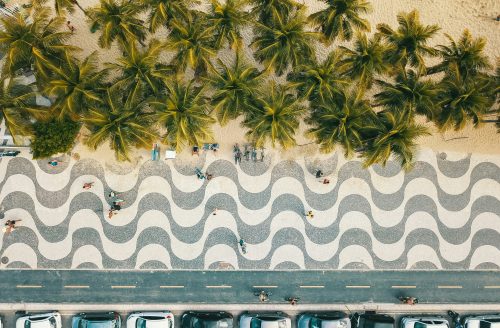
From Christ the Redeemer watching over the city to Sugarloaf Mountain rising from the bay, Rio’s great landmarks are every bit as powerful in person as they are in imagination. Yet the city’s real character is found in its contrasts: the old glamour of Copacabana, the social ease of Ipanema, the leafy charm of Santa Teresa and the music-filled nights of Lapa.
Days here can move between cable car views over Guanabara Bay, swims off Ipanema, shaded gardens, galleries and long beachside lunches. Then evening arrives, and Rio changes rhythm: samba, rooftop drinks, grilled seafood and laughter rising into the warm night air.
As a finale, it is hard to imagine anywhere more fitting. Rio gathers together Brazil’s landscape, rhythm and beauty on an unforgettable scale — a place to end the journey, but one that leaves you wanting more.
Traveller’s Notes
Best time to visit
September to November offers the best overall balance of dry weather, warm temperatures and fewer crowds along this route, with October particularly appealing for combining beach time, sightseeing and smoother travel conditions.
Flights and Transfers
Domestic flights are the easiest way to cover long distances, while private transfers are useful for coastal destinations.
Brazil is bigger than it looks
Even with domestic flights, this itinerary involves a fair amount of moving around, so it’s worth packing light and keeping travel days simple.
The wind and sun are intense on this stretch of coast
Sunglasses, high-factor sunscreen and a hat are not optional, especially in Jericoacoara and Porto de Galinhas.
Food is a huge part of the trip
Seafood appears constantly, and regional dishes vary more than you might expect, so it’s worth trying the local specialities rather than defaulting to familiar options.
Build in flexibility
Weather, traffic and transfers can all shift the feel of a day, so this route works best when you don’t schedule every hour too tightly.